
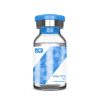

HGH (Human Growth Hormone) 99 %
- 10 IU (97%) & 10 IU (99%) available
- Superior quality
- Manufactured in an ISO 7-certified cleanroom
- Produced in a good manufacturing practice-certified facility
Disclaimer: The following product is intended solely for research purposes. We do not promote or encourage any consumption outside of authorised trials. In the UK, it is illegal to purchase HGH without a prescription or for cosmetic purposes.
HGH, also known as somatotropin, is a 191-amino acid polypeptide. It is secreted by cells in the pituitary gland, mainly during sleep, and binds to growth hormone receptors in tissues such as the liver, muscle, and adipose tissue.
HGH is a hormone crucial for promoting growth during childhood and adolescence, stimulating the growth of bones and muscles through insulin-like growth factor 1 (IGF-1), and acting directly on tissues to regulate metabolic functions. It has been studied for its potential to treat growth deficiencies and improve physical performance, among other things.
Mechanism of Action
HGH can act both directly on specific tissues and indirectly, through IGF-1, to bring about its effects.
Direct Action
- Increases lipolysis: HGH increases the expression of hormone-sensitive lipase (HSL), a key enzyme involved in lipolysis, and reduces the expression of lipolysis inhibitors, leading to an overall increase in the breakdown of fat.1
- Reduces glucose uptake: It induces insulin resistance by interfering with insulin signalling pathways, decreasing glucose uptake by tissues, especially in the muscle.2 This effect is partly linked to HGH-induced lipolysis, which increases the circulation of free fatty acids (FFAs), thereby impairing the action of insulin.3
- Increases amino acid transport and protein synthesis: Within minutes of exposure to HGH, amino acid transport to cells is increased, making them readily available for protein synthesis. This increase in amino acid availability upregulates the expression of amino acid transporters in muscles to enhance protein synthesis4 and is regulated through insulin-like signalling.5
- Stimulates bone and cartilage precursor cells: HGH acts directly to promote the proliferation of chondrocytes (specialised cells found in cartilage tissue, which are responsible for maintaining the cartilage matrix), which stimulates longitudinal bone growth directly.6
Indirect Action
HGH exerts many of its growth-promoting effects through IGF-1. IGF-1 acts downstream of HGH, and together, these hormones regulate:
- Bone growth7
- Kidney growth and function8
- Neuroprotective and neuroregenerative effects9
Therapeutic Potential
Due to its mechanism of action, HGH is well-suited for conditions involving growth or hormone deficiency and muscle wasting. HGH is approved for the treatment of a variety of medical conditions, including:
- Growth hormone deficiency (GHD): It is used to improve the growth of children who have insufficient GH and significantly improves height, weight, and BMI.10
- Genetic conditions or syndromes associated with impaired growth: This includes Turner syndrome, Prader-Willi syndrome, children who are small for their gestational age (SGA), and other genetic causes of impaired growth.11
- Adult growth hormone deficiency (AGHD): If a GH deficiency persists or is identified in adulthood, HGH replacement can benefit body composition, bone structure, cardiovascular health, and improve quality of life.12
- Muscle wasting: In conditions such as HIV/AIDS, muscle wasting can occur. HGH can help restore lean body mass and body weight.13
- Short bowel syndrome (SBS): It can improve nutrient absorption by promoting intestinal adaptation when large portions of the small intestine are non-functioning or missing, although this benefit does not persist for long after therapy is stopped.14
It is also being investigated for other uses for which it is currently not approved:
- Improving body composition: In healthy adults, it can further improve health by increasing lean muscle, enhancing fat metabolism15,16 and improving bone healing.17
- Support in chronic diseases with muscle wasting: In conditions such as cachexia in HIV and chronic renal failure, HGH can help by improving nutrient absorption.18,19
- Bone health: Since HGH can promote bone growth, it could be useful in promoting bone regeneration and repair after injury.20
- Tissue repair, wound healing, rehabilitation, and neuroregeneration: HGH enhances protein synthesis and cell proliferation, meaning it may also be able to accelerate wound healing, improve neurorehabilitation after brain injury, and improve cognition.21,22
- Fertility: It may improve fertility23 and increase live birth rates among women who have undergone IVF.24 Although GH deficiency in men is also associated with lower fertility, it is not currently used as part of fertility treatment for them.
Safety
There are safety concerns regarding long-term use, which are being investigated. Studies have linked HGH treatment in childhood with an increased risk of mortality and stroke in early adulthood, although this has not been observed consistently across populations.25 There is an increased incidence of second primary cancers and a dose-related increase in cancer mortality among those who were treated after previously having cancer.26
In those who are obese or who have impaired glucose metabolism, it could exacerbate metabolic dysfunction.
Apart from these concerns, it is well tolerated without significant unexpected adverse events. Minor side effects such as sodium retention and changes in thyroid function and carbohydrate metabolism have been reported.27
The weight of the benefits and risks of taking HGH is not always clear-cut and depends on the health of the individual, the dose being taken, and the duration of treatment.
How It Compares to HGH Fragment
HGH fragments are shorter chains of amino acids that represent a specific domain of the full HGH protein, giving them a narrower range of activity. A synthetic version of the HGH fragment 176-191, AOD-9604, is the most extensively studied and is recognized for its lipolytic properties.
It stimulates the breakdown of fat in adipose tissue, promoting weight loss in models of obesity.28 Unlike HGH, this fragment can promote fat loss without negatively impacting glucose levels or insulin sensitivity, and it does not stimulate growth.
Data Sheet
- Application: Research on growth, cell proliferation and lipolysis
- CAS Number: 12629-01-5
- Molecular Weight: 22 kDa
- Sequence: FPTIPLSRLFDNAMLRAHRLHQLAFDTYQEFEEAYIPKEQKYSFLQNPQTSLCFSESIPT
PSNREETQQKSNLELLRISLLLIQSWLEPVQFLRSVFANSLVYGASDSNVYDLLKDLEEG
IQTLMGRLEDGSPRTGQIFKQTYSKFDTNSHNDDALLKNYGLLYCFRKDMDKVETFLRIV
QCRSVEGSCGF - Chemical Formula: C990H1529N263O299S7
- Synonyms: Somatotropin
- Storage: Keep refrigerated at 2-8°C until use. For long-term storage, keep at -20°C.
- Reconstitution: Reconstitute in sterile water. The reconstituted solution is stable for up to 30 days at 2-8°C.
- Organoleptic Profile: White to off-white lyophilised powder
- Physical Form: Solid
Conclusion
HGH binds to growth hormone receptors, promoting protein synthesis and the growth of lean muscle mass. It increases lipolysis and stimulates the growth of bones, but also reduces glucose uptake by tissues, leading to a rise in blood glucose. HGH is used to treat several growth-related disorders and is being investigated for other potential therapeutic uses. It is generally well-tolerated, but there are concerns around the long-term effects of taking HGH.
We provide tailored product recommendations for researchers based on their specific objectives.
| Concentration |
99% |
|---|


Reviews
There are no reviews yet.